Mulberry Silk Charmeuse Fabric: The 2026 Buyer's Guide to Weave, Momme Weight and Wholesale Sourcing
Silk charmeuse fabric is the benchmark against which most other luxury weaves are measured: a satin-woven cloth with a glassy face, a matte reverse, and a fluid drape that has defined eveningwear and sleepwear for a century. This guide explains the weave, decodes momme weight, and shows how to source 100% mulberry silk charmeuse from a mill such as Predatex Silk, a Wuhu-based silk manufacturer and exporter.
What Is Silk Charmeuse Fabric?
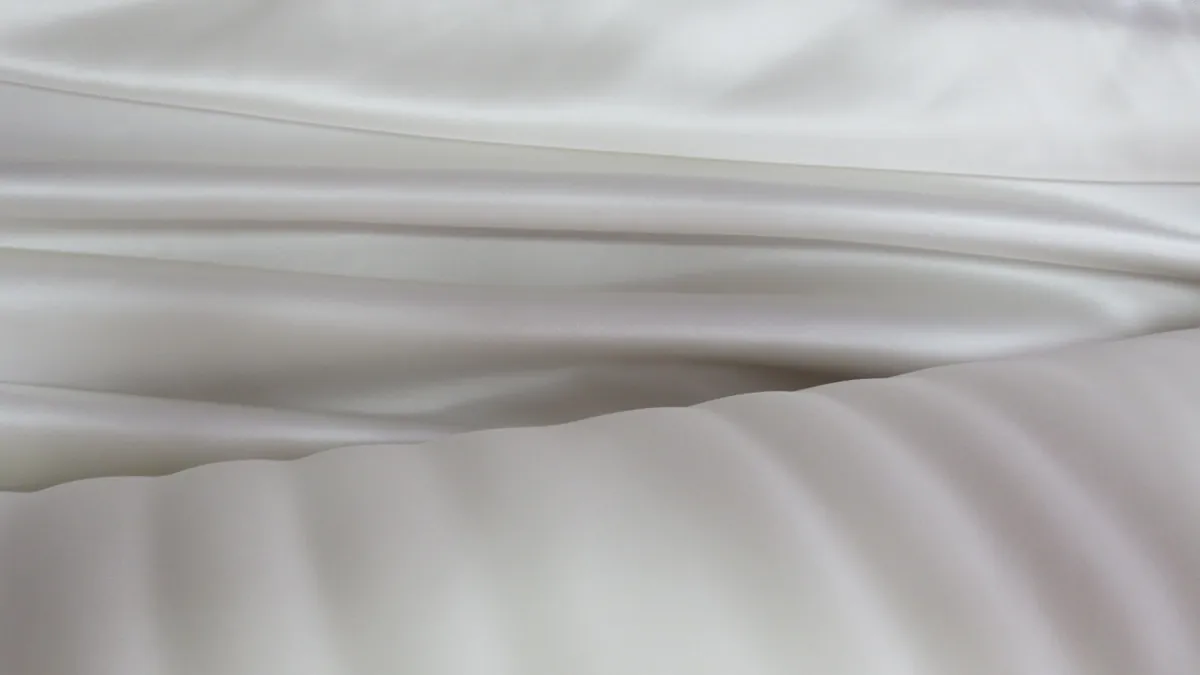
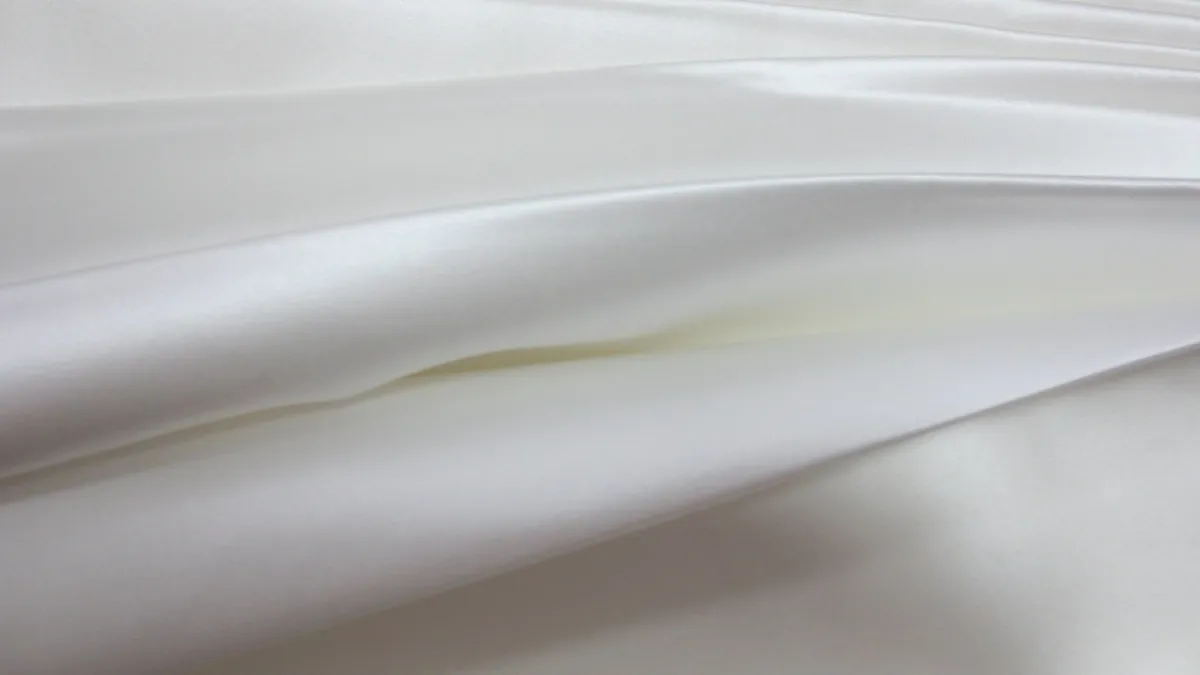
Silk charmeuse fabric is a lightweight satin-weave cloth, where the weft floats over several warp threads to produce a long, uninterrupted surface on the face. That face is the signature feature: a smooth, glassy sheen that catches light. Turn the cloth over and the back is matte, the dull reverse typical of a satin weave. The contrast between a lustrous front and a subdued back separates true charmeuse from a double-faced satin and from plain-weave habotai.
The word "charmeuse" is French for "charmer." In trade use silk charmeuse and silk satin are often used interchangeably, but strictly speaking charmeuse is the lighter, more fluid satin weave for apparel, while "satin" is the broader family that also covers heavier weights. Crepe de chine and habotai sit on the matte, plain-weave side and are compared below.
Predatex Silk weaves its charmeuse from 100% mulberry silk, the finest grade most buyers mean by "real silk." The mill also supplies charmeuse finished as sandwashed silk for a softer, matte hand.
Why Charmeuse Leads the Global Silk Market in 2026
Several threads are pulling silk charmeuse fabric to the front of the 2026 luxury conversation. The first is the "beauty-sleep economy": mulberry silk pillowcases and scrunchies have moved from niche spa product to a mainstream direct-to-consumer category, and charmeuse is the cloth those brands reach for because its smooth face is kind to hair and skin.
The second is a quiet-luxury shift toward tactile, understated materials, where a charmeuse slip or bias-cut gown reads as expensive without saying so. The third is the Old Hollywood bias-cut revival, with designers cutting slips and columns on the true bias so charmeuse's give produces that liquid line. Sleepwear and robes remain a steady demand centre, and all of these trends point back to the same cloth.
Momme Weight Decoded
Momme (abbreviated "mm") is the traditional Japanese unit silk mills use to state fabric weight; one momme equals approximately 4.34 grams per square metre, and a higher momme means a denser cloth. For charmeuse, qualities are commonly woven from about 14 mm up to 30 mm; the table translates common momme points into grams per square metre and typical uses.
| Momme (mm) | Approx. g/m² | Common best uses |
|---|---|---|
| 14 mm | ~61 g/m² | Linings, delicate scarves, light slip dresses |
| 16 mm | ~69 g/m² | Blouses, scarves, lightweight slips |
| 19 mm | ~82 g/m² | Premium sleepwear, pillowcases, bias slips |
| 22 mm | ~95 g/m² | Durable bedding, robes, structured slips |
| 25 mm | ~109 g/m² | Heavier sleepwear, drapey dresses |
| 30 mm | ~130 g/m² | Couture gowns, upholstery accents |
These are industry-typical ranges rather than a single mill's catalogue; always confirm the exact weights a supplier stocks. For most buyers 19 mm is the sleepwear and scarf workhorse and 22 mm the bedding standard, while 16 mm keeps blouses light and 25–30 mm adds gown body.
Silk Charmeuse Fabric vs Satin vs Crepe de Chine vs Habotai
Buyers often conflate these weaves, so the table compares them on sheen, drape, weight band, best use and sewability.
| Weave | Sheen | Drape | Typical weight | Best uses | Sewability |
|---|---|---|---|---|---|
| Charmeuse (satin) | High, glossy face | Fluid, bias-stretchy | 14–30 mm | Slips, sleepwear, bridal, scarves | Slippery; needs sharp needles |
| Satin (heavy) | High | Stiffer, more body | 25–40 mm+ | Gowns, corsetry, lining | Manageable but bulky seams |
| Crepe de chine | Matte, pebbled | Soft, stable | 12–22 mm | Blouses, dresses, shirting | Easy; low fray |
| Habotai | Soft, low lustre | Crisp to soft | 5–16 mm | Linings, scarves, kimonos | Easy; plain weave |
Best Applications for Silk Charmeuse Fabric
Silk charmeuse fabric suits projects where one side shows and movement matters:
- Bias-cut slips and cowl dresses — the classic use where the bias give creates the liquid line.
- Sleepwear and robes — smooth and breathable; 16–22 mm is typical.
- Bridal and eveningwear — lining, overlays, columns that catch light.
- Scarves and the scarf-as-top trend — a bias-cut square drapes cleanly.
- Pillowcases and bedding — 19–22 mm charmeuse is the standard beauty-sleep cloth.
- Lingerie — matte back against skin, face showing outward.
It is less suited to tailored garments or projects where both sides show equally — a double-faced satin or a habotai lining fits better.
Sewing and Handling Charmeuse
Charmeuse rewards patience: the satin weave is slippery with bias stretch, so layers shift and seams slip. Habits that keep results clean:
- Use a fine, sharp needle — Microtex 60/70 or 70/80 leaves the smallest hole.
- Shorten the stitch length slightly and use a straight stitch.
- Finish seams with French seams or a narrow rolled hem so the fraying edge stays enclosed.
- Cut one layer at a time, hand-baste the bias, and support the weight.
- Pre-shrink by a gentle hand wash before cutting.
Press on the wrong side with a cloth and low steam; direct heat can flatten or "shadow" the glossy face.
Care Guide
Silk charmeuse fabric is a protein fibre and responds best to gentle care. Hand wash cold at about 30°C with a pH-neutral silk detergent, or use a delicate machine cycle in a mesh bag. Do not soak or wring, and keep it away from bleach and bright sun. Roll in a towel to remove water, then dry flat away from direct light. Steam on low with a cloth between iron and cloth; store folded in breathable cotton, never plastic.
How to Source From a Manufacturer
Sourcing silk charmeuse fabric well comes down to a short checklist. Ask first about fibre grade: 5A and 6A are the common top mulberry grades mills quote. Confirm the finished width (44/45 and 55 inch are the common options) and the momme weight you need for the end use. Establish the minimum order quantity early; Predatex lists MOQ from 1 meter on in-stock qualities, which lets smaller brands start without committing to full rolls.
Always order swatches and check dye-lot consistency for reorders. Predatex accepts customised colours and print patterns, so a charmeuse base can also be a digital printed silk program rather than a solid dye. Confirm lead time at quotation — in-stock qualities typically ship within about 10 working days — and confirm fibre composition and width on the pro forma so the delivered roll matches the swatch.
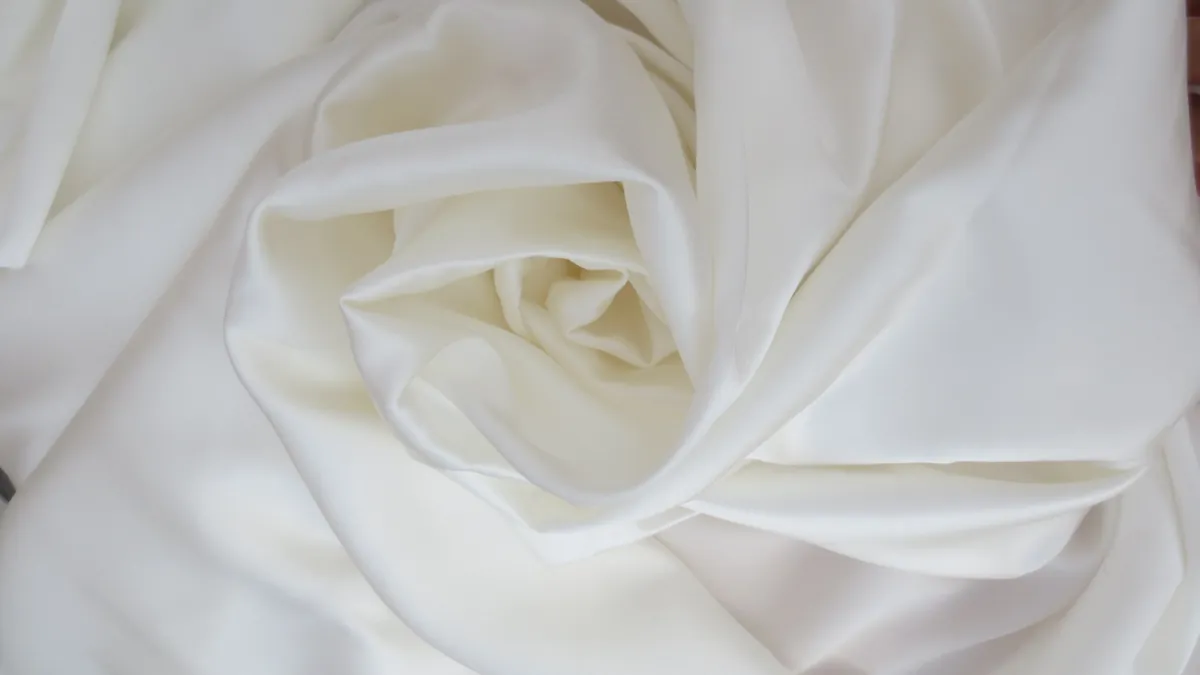
In short: silk charmeuse fabric remains the safest, most versatile luxury weave to specify in 2026 — match the momme to the end use, order swatches, and confirm grade, width and dye lots before you buy. Browse the full silk fabric collection to compare qualities side by side.
Frequently Asked Questions
What is the difference between silk charmeuse and silk satin?
Charmeuse is a lightweight, fluid type of satin weave made for apparel. Satin is the broader weave family with a glossy face and matte back; it also covers heavier garment and furnishing weights. So all charmeuse is satin-weave, but not all satin is charmeuse. The term is most often used for the finer, dress-weight cloth.
What momme weight is best for pillowcases and bedding?
For pillowcases and bedding, 19 to 22 momme is the common sweet spot. Around 19 momme gives a supple, breathable cloth suited to sleepwear and pillowcases, while 22 momme feels denser and more durable for everyday bedding. Lighter 16 momme works for scarves and blouses rather than hard-wearing bedding.
Is silk charmeuse good for sleepwear?
Yes. Charmeuse is a long-standing choice for slips, robes and pajamas because the smooth face feels cool and soft against skin and the natural protein fibre breathes. Most mills offer charmeuse between 16 and 22 momme for sleepwear, with 19 momme the most common dress- and sleepwear weight.
Why is charmeuse hard to sew?
The satin weave is slippery and the cloth has bias stretch, so layers shift and seams can slip. Use fine sharp needles such as Microtex 60/70 or 70/80, short stitch lengths, and French or narrow rolled seams. Cut a single layer at a time, hand-baste, and support the weight so the fabric does not drag off the table.
What width does silk charmeuse come in?
Silk charmeuse is commonly woven at 44/45 inch (about 114 cm) and at 55 inch (about 140 cm). The wider 55 inch width is useful for bias-cut gowns and bedding where a single panel avoids joins. Always confirm the exact finished width and usable width at quotation, since finished width varies by mill and finish.
How do I check charmeuse is real mulberry silk?
Real mulberry silk charmeuse feels cool to the touch at first, warms quickly, and has a soft natural sheen rather than a plastic shine. A burn test gives a crisp self-extinguishing ash and a hair-like smell, and a solubility test in bleach dissolves silk but not polyester. The most reliable route for buyers is to order swatches and request the fibre composition on the quotation.
Request Swatches & a Wholesale Quote
See and feel the real mulberry silk charmeuse fabric before you specify it. Predatex Silk supplies 100% mulberry silk charmeuse in stock and custom colours, with MOQ from 1 meter on in-stock qualities and worldwide export from Wuhu, China.
Email [email protected] · WhatsApp / Skype: +86 182 9825 8162 · imsilk.com