Silk Habotai Fabric: Why 'China Silk' Is the Smart First Step Into Real Silk
Silk habotai fabric, long traded as "China silk," is the lightweight, plain-woven mulberry silk that lines fine jackets and inspires first-time silk buyers. This guide covers what habotai is, how its weights map to uses, why it beats polyester for linings, and how to source it wholesale from a mulberry silk manufacturer.
What Is Silk Habotai Fabric?
Silk habotai is a plain-woven 100% mulberry silk with a soft, smooth hand and a gentle, low sheen. The weave is balanced — roughly equal warp and weft — which gives the cloth a stable, even surface without the floating threads of a satin. In the trade it is often called "China silk," a historical label for this lightweight plain-weave cloth rather than a mark of lower quality.
Habotai is one of the most accessible real silks, commonly woven between about 5 and 16 momme. At the light end it is almost gossamer; at the heavy end it behaves more like a soft shirting. That range is exactly why it suits so many jobs, from linings to scarves to dye experiments. For a first project in silk, it is forgiving and affordable relative to silk charmeuse.
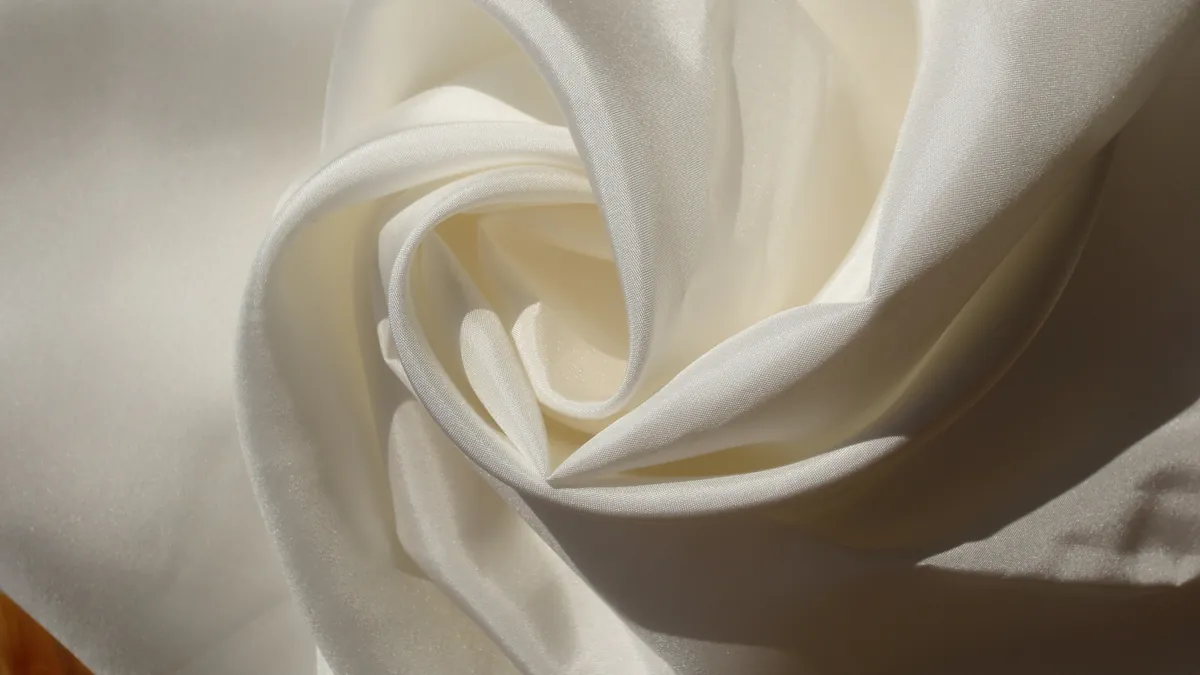
Because the surface is even and the yarn is fine, habotai takes colour and print cleanly. That makes it a favourite base for both solid-dyed programs and digital printed silk designs, where a smooth ground shows detail without competing texture.
Why Habotai Dominates Lining
The single biggest use of habotai is lining, and for good reason. Against a polyester lining, silk habotai breathes, so a tailored jacket or coat feels cooler and less clammy in wear. It generates far less static, which means the lining slides over layers instead of crackling and clinging, and it is naturally hypoallergenic for sensitive skin.
A silk lining also signals quality. Even when the outer cloth is wool or a blend, a silk habotai interior reads as a premium finish that the wearer notices when slipping a garment on. For bridal and occasionwear, a smooth habotai lining under lace or silk chiffon adds comfort without weight or shadow.
Choose a lining weight to match the garment: a light 8mm habotai suits blouses and unlined-feel dresses, while a 12-16mm habotai gives tailored jackets and coats a substantial, durable interior that stands up to repeated wear.
Habotai Weights and Uses
Habotai is offered across a wide momme range, and the weight you pick should follow the job. One momme equals roughly 4.34 grams per square metre; use that to compare habotai with other silks you may stock.
| Momme (mm) | Approx. g/m² | Character | Best uses |
|---|---|---|---|
| 5 mm | ~22 g/m² | Ultra-light, sheer | Delicate linings, sheer scarves |
| 6 mm | ~26 g/m² | Light, airy | Scarves, kimono overlays |
| 8 mm | ~35 g/m² | Light, smooth | Blouse linings, scarves |
| 10 mm | ~43 g/m² | Medium-light | Linings, soft blouses |
| 12 mm | ~52 g/m² | Medium | Jacket linings, kimonos |
| 14 mm | ~61 g/m² | Firmer | Coat linings, shirts |
| 16 mm | ~69 g/m² | Substantial | Structured linings, shirting |
Habotai vs Charmeuse vs Chiffon
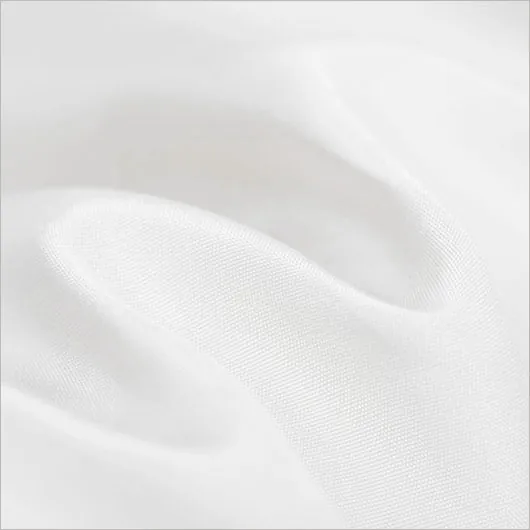
Three light silks get mixed up constantly. Charmeuse is a satin-weave silk with a glossy face and fluid drape; habotai is a plain-weave silk with a matte, stable hand. Silk chiffon is sheer and airy with a crinkled, crepe-like twist, while habotai is opaque and smooth. The table below sets them side by side.
| Weave | Surface | Drape | Opacity | Best use |
|---|---|---|---|---|
| Habotai | Smooth, low sheen | Soft, stable | Opaque | Linings, scarves, blouses |
| Charmeuse | Glossy satin face | Fluid, liquid | Opaque | Slips, eveningwear, bedding |
| Chiffon | Matte, crinkled | Airy, floaty | Sheer | Overlays, scarves, draping |
Best Applications for Silk Habotai Fabric
Silk habotai fabric is the quiet utility player of the silk range, and its uses are broad:
- Jacket and skirt linings — the classic use, for breathability and a luxe finish.
- Scarves and kimonos — light enough to wrap close to the skin.
- Soft blouses and shirts — at 10-16mm it sews and wears like fine shirting.
- Dye and print projects — the smooth ground shows colour and detail cleanly.
- Lining under lace or sheer cloth — adds comfort without bulk or shadow.
- Beginner silk sewing — stable and forgiving compared with slippery weaves.
For brands building a cohesive line, habotai also works as the printed companion to silk crepe de chine — both take dye and print well, but habotai gives the lighter, dressier option.
Sewing Silk Habotai
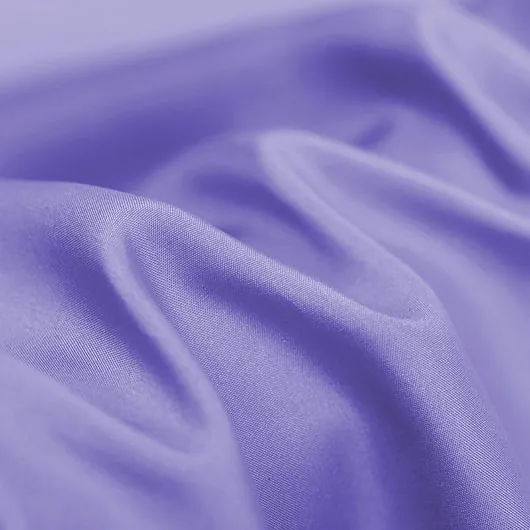
Habotai is easier to sew than the slippery satins because the plain weave is stable and the cloth does not shift as much under the foot. It does fray at the cut edge, so finish seams promptly with a French seam, narrow hem, or fine serger stitch.
- Pre-wash before cutting. Silk can relax slightly; pre-washing keeps finished measurements true.
- Use a sharp, fine needle. A Microtex 70/80 with quality thread prevents snags.
- Press on low with a cloth. Habotai scorches easily and can take a shine from a hot iron.
- Stabilise hems. A narrow rolled hem or bias-facing keeps light edges from curling.
Care and Storage
Habotai is a natural protein fibre and rewards gentle care. Hand wash cold at around 30°C with a pH-neutral silk detergent. Do not soak or wring — instead roll the piece in a towel to lift water, then dry it flat away from direct sun, which would fade and weaken the silk.
Steam on a low setting if you need to remove creases, keeping the iron off the surface. Store folded in breathable cotton rather than plastic, which can trap moisture and encourage mildew. With that routine, habotai linings and scarves keep their hand for years.
How to Source Silk Habotai
When sourcing silk habotai, confirm first that you are buying 100% mulberry silk and not a polyester "China silk" substitute. Check the available widths — silk is commonly supplied at 44"/45" or 55"/114cm — and the momme weights the mill offers for your intended use.
Minimum order quantity matters for smaller brands. Predatex lists MOQ from 1 meter on in-stock qualities, which lets you sample a lining before committing to a full production run. Custom colours are accepted, so you can dye a lining to match a specific collection rather than accepting a stock shade.
Order swatches first and confirm dye-lot consistency and lead time at quotation. In-stock silk qualities from Predatex typically ship within about 10 working days, but custom-dyed programs follow their own schedule — confirm that before you lock a delivery promise with your own buyers.
Explore the full silk fabric collection at Predatex Silk, including silk habotai fabric and the other mulberry weaves referenced in this guide.
Frequently Asked Questions
What is silk habotai?
Silk habotai, often called China silk, is a plain-woven 100% mulberry silk with a soft, smooth hand and a gentle, low sheen. It is one of the lightest and most accessible real silks, commonly woven between about 5 and 16 momme, which makes it ideal for linings, scarves and beginner silk projects.
Is habotai real silk?
Yes. True habotai is 100% mulberry silk. The name 'China silk' is a trade term for this lightweight plain-weave cloth, not a cheaper imitation. Always confirm the fibre content with your supplier, because polyester versions are also sold under similar names.
What is habotai used for?
Habotai's main uses are jacket and skirt linings, lightweight scarves, kimonos, soft blouses, and as a base for dye and print projects. It is also used as a smooth lining under lace or sheer fabrics where you want comfort against the skin without added weight.
Habotai vs charmeuse — what's the difference?
Both start from mulberry silk, but charmeuse uses a satin weave for a glossy face and fluid drape, while habotai uses a balanced plain weave for a softer, more matte and stable hand. Charmeuse is richer and dressier; habotai is lighter, plainer and easier to sew and line with.
Can silk habotai be dyed or printed?
Yes. Habotai takes dye and print extremely well because the plain weave is smooth and even. It is a popular base for digital printing and for solid-dyed programs, and Predatex accepts customised colours and print patterns on its silk qualities.
How to wash habotai?
Hand wash cold at around 30°C with a pH-neutral silk detergent. Do not soak or wring; instead roll the piece in a towel to remove water and dry it flat away from direct sun. Steam on a low setting and store folded in breathable cotton rather than plastic.
Request Swatches & a Wholesale Quote
Feel the difference a real silk habotai fabric lining makes — order swatches and a tailored wholesale quote for your next jacket, scarf or printed silk project.
Email [email protected] · WhatsApp / Skype: +86 182 9825 8162 · imsilk.com