Silk Organza Fabric: The Sheer, Crisp Weave Defining 2026 Bridal Design
Silk organza fabric is the sheer yet structured silk that gives bridal and couture its volume: a plain weave so fine it floats, yet crisp enough to hold a puff sleeve, an overskirt or a veil. This 2026 guide covers the weave, the weights worth specifying, and how to source it wholesale from a mill such as Predatex Silk, a Wuhu-based silk manufacturer and exporter.
What Is Silk Organza Fabric?
Silk organza fabric is a plain-woven silk made from very fine, tightly twisted yarns, producing a cloth that is sheer yet surprisingly crisp. Unlike a satin or a crepe, organza has no floats and no crepe twist; it is a balanced plain weave, so the hand is light, airy and stiff in a good way — it stands away from the body and holds a shape. The surface has a soft, natural glow rather than a high shine.
Organza is commonly woven at the light end of the silk range, typically around 4 to 6 momme (1 mm ≈ 4.34 g/m²), with heavier 8 mm qualities used where more body is wanted. Because the yarns are fine and the weave open, the cloth is translucent; that transparency is the feature, not a fault. Predatex weaves its organza from 100% mulberry silk and supplies it across solid-dyed and printing programs. It is the structured cousin of silk chiffon fabric, which drapes where organza stands.
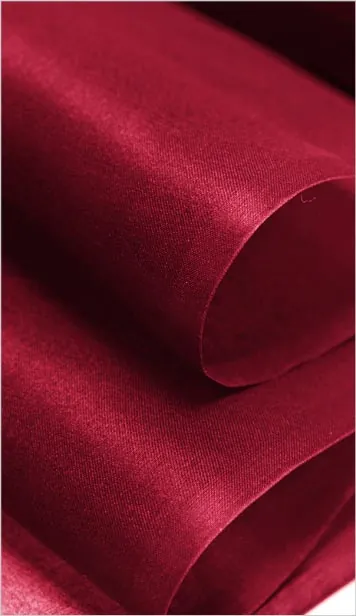
2026 Bridal Trends Driving Demand
Organza is centre-stage in 2026 bridal because the season favours volume built from light, not weight. Puff sleeves, overskirts, detachable trains and tiered skirts all rely on a sheer cloth that holds shape without adding bulk, and organza is the silk that does it. Designers are layering it over silk georgette or chiffon so the structure reads soft rather than rigid, and they are using it for sculptural bows and sashes that frame a simple gown.
The wider "cottagecore" and romantic-resort mood also pulls organza into ready-to-wear — peplums, statement collars and sheer overlays on day dresses. Compared with polyester organza, silk organza drapes with a finer hand and will not scorch under a hot iron, which matters for ateliers pressing delicate couture. For any brand building a 2026 bridal or occasion line, organza is a base cloth to stock.
Organza vs Chiffon vs Tulle vs Georgette
These four sheers are easy to confuse, so the table sets them side by side on the properties that change a design.
| Weave | Crispness | Sheen | Transparency | Typical weight | Best use |
|---|---|---|---|---|---|
| Organza | Crisp, holds shape | Soft glow | Sheer | 4–8 mm | Volume, veils, overlays |
| Chiffon | Soft, fluid | Matte glow | Sheer | 6–12 mm | Drape, scarves, skirts |
| Tulle | Very crisp, netted | Low | Sheer, open | Mesh | Netting, petticoats |
| Georgette | Soft, grainy | Matte | Semi-sheer | 8–16 mm | Wraps, fluid layers |
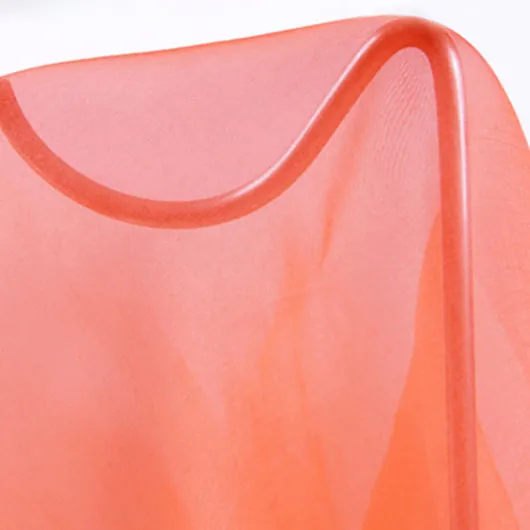
Weights & Finishes
Silk organza is specified by momme and by finish. The table maps the common weights and the solid-dyed versus printed choice.
| Momme (mm) | Character | Common finishes | Common uses |
|---|---|---|---|
| 4 mm | Very sheer, airy | Solid dyed, printed | Veils, delicate overlays |
| 5 mm | Sheer, light crisp | Solid dyed, printed | Sleeves, sashes, ribbons |
| 6 mm | Crisp, more body | Solid dyed, printed | Overskirts, bows, décor |
| 8 mm | Substantial, structured | Solid dyed | Detachable trains, sculptural work |
Both solid-dyed and printed organza are common; because the cloth is sheer, a dyed colour reads lighter than on a dense weave, so always approve the shade on a physical swatch. Predatex accepts customised colours and print patterns, so a bridal organza can be matched to a palette or carry a bespoke motif.
Best Applications for Silk Organza Fabric
Silk organza fabric suits projects where sheer structure is the point:
- Bridal overlays and bodices — a sheer layer that shapes without hiding.
- Veils — 4–6 mm gives body and a clean edge.
- Puff sleeves and ruffles — the crisp hand holds the volume.
- Overskirts, peplums and detachable trains — sculptural, lightweight.
- Ribbons, sashes and bows — crisp edges read sharply.
- Eveningwear and event décor — lampshades, backdrops, gift wrap accents.
For a softer, drapier bridal layer, pair organza with silk dupioni fabric for structure underneath or with chiffon above for flow.
Sewing with Silk Organza
Organza rewards clean technique. The cut edge frays, so finish seams as you go: use a sharp Microtex 60/70 needle, a short stitch length, and French seams or a narrow rolled hem to enclose the edge. Hand-roll hems for a fine, invisible finish on veils and ruffles. Because the cloth is sheer, all internal construction shows, so use fine threads and tidy stitching rather than a bulky lining.
Press with a cloth and low steam. A key advantage over polyester organza is that silk organza will not scorch or melt under a hot iron, so ateliers can press it with confidence — but the sheer fibres still mark, so always use a press cloth and a padded surface. Stay-stitch curved edges early to stop them stretching, and handle the lightweight cloth with silk pins or clips to avoid snags.
Care
Silk organza is delicate and best cared for gently. Hand wash cold at about 30°C with a pH-neutral silk detergent, or have finished bridal pieces professionally cleaned. Do not soak or wring; support the wet cloth so it does not stretch, roll in a towel, and dry flat away from direct sun. Steam on low with a press cloth. Store hanging or loosely rolled, never folded hard, since a sharp crease can mark the fine weave. Keep it away from perfume and deodorant, which can spot silk.
Sourcing
Sourcing silk organza fabric starts with the silk-versus-polyester trade-off: silk organza drapes finer and presses safely but costs more, while polyester organza is cheaper and holds a sharper edge. Decide which your line needs before quoting. Confirm 100% mulberry silk and the grade (5A/6A are the common top grades mills quote), then the momme for the end use — 4–5 mm for veils, 6–8 mm for structure.
Check the available widths (44/45 inch, about 114 cm, and 55 inch, about 140 cm, are common) and whether solid-dyed or printed finishes are offered. Establish the minimum order quantity early; Predatex lists MOQ from 1 meter on in-stock qualities, which suits sampling and small bridal runs, and accepts customised colours. Order swatches first, confirm dye-lot consistency for repeat orders, and confirm lead time at quotation — in-stock qualities typically ship within about 10 working days. Put the exact fibre composition and width on the pro forma so the delivered roll matches the swatch.
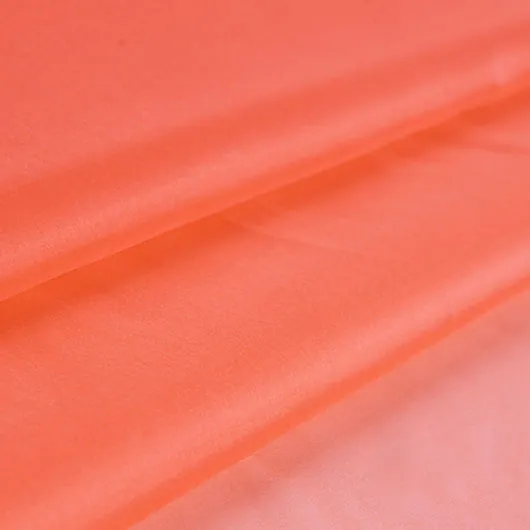
In short: silk organza fabric is the sheer, crisp silk that gives 2026 bridal its volume — specify 4–5 mm for veils and 6–8 mm for structure, and confirm silk grade, width and dye lots before ordering. Browse the full silk fabric collection to compare qualities side by side.
Frequently Asked Questions
What is silk organza used for?
Silk organza is used where a sheer yet structured layer is needed: bridal overlays, veils, puff sleeves, overskirts and detachable trains, plus eveningwear volume, ribbons, sashes and bows. Off the garment it appears in event décor, lampshades and gift wrapping. Its crisp hand holds a shape that softer sheers such as chiffon cannot.
Is silk organza see-through?
Yes, organza is a sheer, translucent cloth — you can see through it. The degree of transparency depends on the momme: 4 mm is very sheer and 8 mm reads more opaque, and colour matters, with white and pastels the most see-through. Designers use that transparency deliberately for overlays and veils rather than as a flaw.
Organza vs chiffon — what's the difference?
Both are sheer silks, but organza is a crisp plain weave that holds volume and structure, while chiffon is a softer, fluid weave with a slight crepe twist that drapes and floats. Organza gives puff and edge; chiffon gives flow and ripple. Choose organza for volume and chiffon for movement.
Can you dye silk organza?
Yes. As 100% mulberry silk, organza takes dye well, and it is commonly supplied in solid-dyed colours and as a digital-print base. Because the cloth is sheer, colour reads lighter than on a dense weave, so confirm the dyed shade on a swatch rather than from a thumbnail. Predatex accepts customised colours and print patterns.
How to sew silk organza without fraying?
Organza frays at the cut edge, so finish seams as you go. Use a sharp Microtex 60/70 needle, a short stitch length, and French seams or a rolled hem to enclose the edge. Press with a cloth and low heat — unlike polyester organza, silk organza will not scorch from a hot iron, but the sheer cloth still marks easily, so use a press cloth.
Is silk organza good for veils?
It is a classic veil silk. The crisp, sheer hand gives a veil body and a clean edge without heavy weighting, and it catches light with a soft glow. A 4 to 6 mm organza is the usual veil weight; designers often layer it over a silk chiffon fabric for a softer fall. Always confirm the exact weight and finish on a swatch.
Request Swatches & a Wholesale Quote
Feel the crisp, sheer hand of real mulberry silk organza fabric before you specify it. Predatex Silk supplies 100% mulberry silk organza in stock and custom colours, with MOQ from 1 meter on in-stock qualities and worldwide export from Wuhu, China.
Email [email protected] · WhatsApp / Skype: +86 182 9825 8162 · imsilk.com