ON THE LOOM
Cloth in both widths
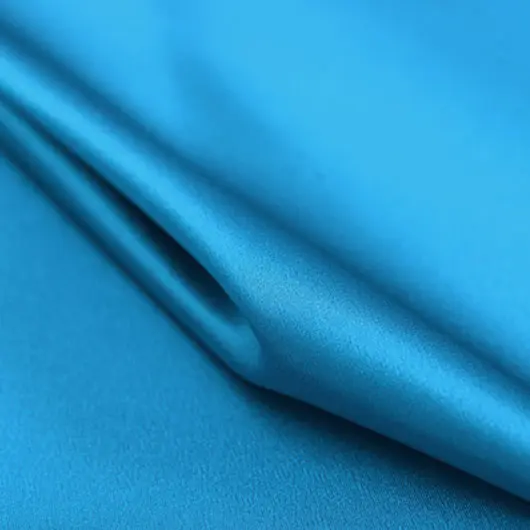
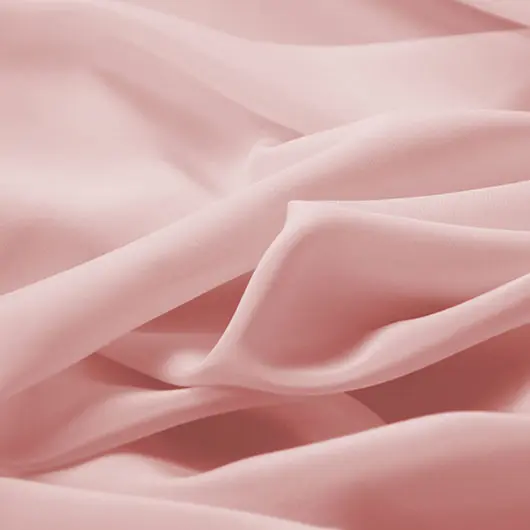
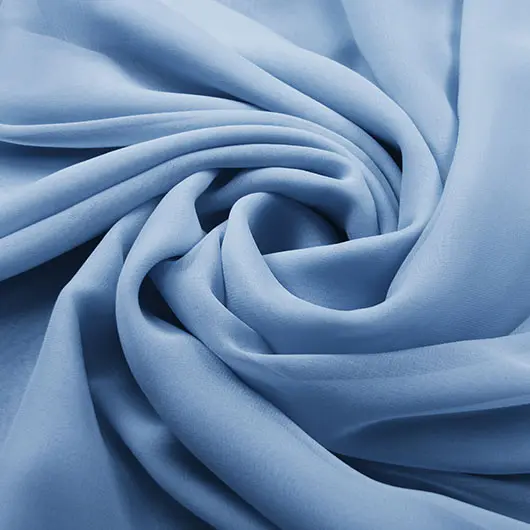
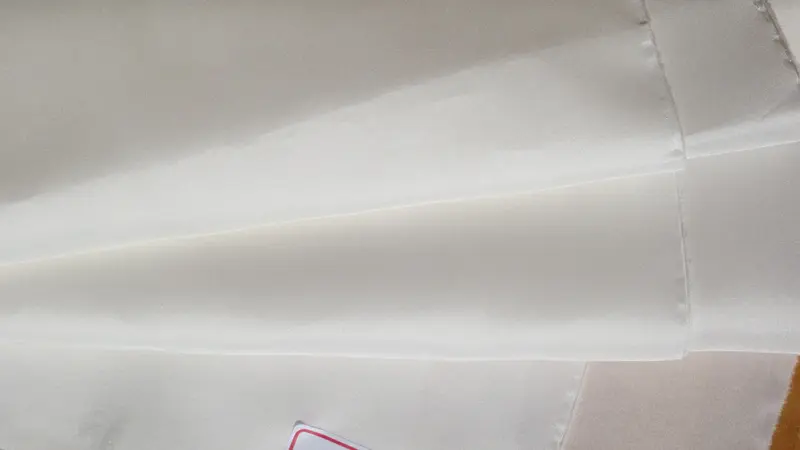
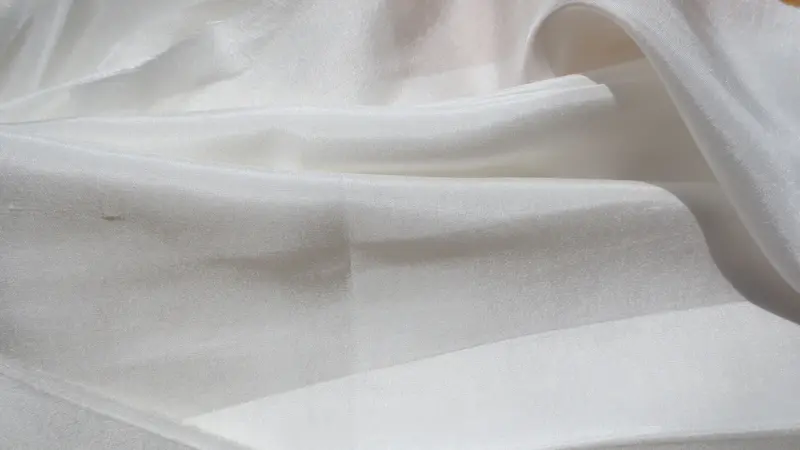
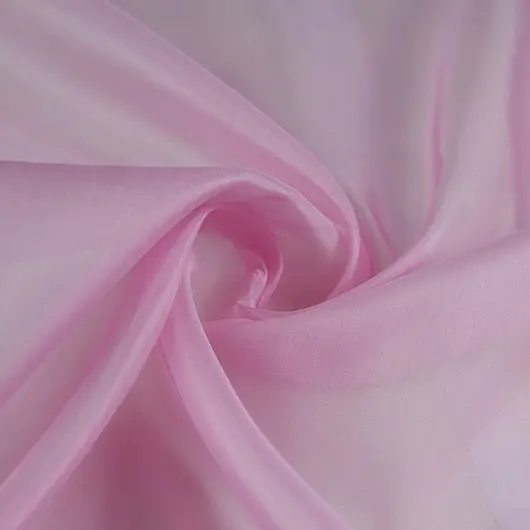
Every photograph is our own stock; the width of each family is on its page.
SILK SPECIFICATIONS
What the two standard widths mean for yield, cost comparison and pattern layout.
Silk comes off the loom in two standard widths: 114 cm (about 45 inches, the classic garment width) and 140 cm (about 55 inches, the wider loom that interiors and full-skirt patterns prefer). Which width a family is woven in is decided by the loom it runs on — it is not a finishing choice we can make afterwards.
| Width | Families on the card |
|---|---|
| 114 cm only |
|
| 140 cm only |
|
| Both |
|
Two quotes at different widths are not comparable per metre. Convert both to price per square metre first: a 114 cm cloth at $X/m is more expensive per square metre than a 140 cm cloth at the same $X/m — by exactly the width ratio. Every serious quote should state the width on the same line as the price; ours does.
Consumption is the practical part. Moving a pattern from 140 cm down to 114 cm typically adds a quarter to a half to the metreage, and large pieces — a full circle skirt, a wide curtain panel — may simply not fit the narrow loom at all. Check the width before you fall in love with a price.
The width on a quotation should be the usable width — the cloth between the selvedges, not the total including them. Selvedges typically take a centimetre or two each side and behave differently from the body of the cloth: tighter, and often at a different tension, which is why pins go inside them and markers do not cross them. A marker drawn against a full width that includes selvedge will not fit — the most common cause of a short shipment nobody is technically wrong about.
Cloth ships rolled on a core rather than flat-folded, whatever the width. Let silk relax on the table after unwinding — half an hour is usually enough — before you cut, or the first pieces will come out slightly longer than the last ones.
Loom economics. 114 cm (45 inches) is the classic narrow loom width for garment silk; 140 cm (55 inches) suits wider pattern pieces, interiors and home textiles. Most families are woven on one or the other; some run on both.
Consumption scales inversely with width. A garment that takes 2.0 m at 140 cm can take 2.8 m or more at 114 cm, so always compare prices per square metre rather than per linear metre.
Match the width to your marker, not to the price. A narrow width is only cheaper if your pattern pieces actually fit it; otherwise you buy more metres and lose the saving.
ON THE LOOM
Every photograph is our own stock; the width of each family is on its page.
Tell us the width and weight and we will tell you which families can run it.