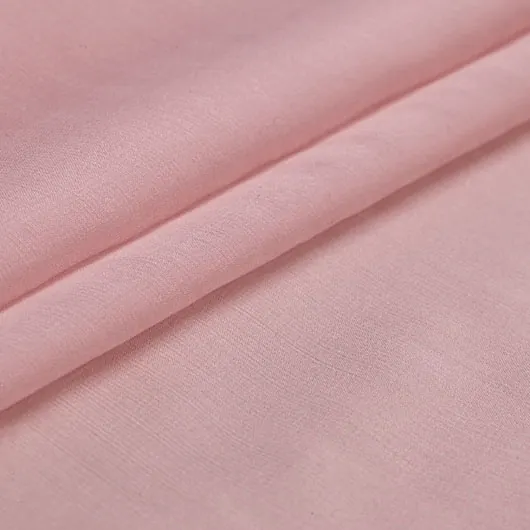
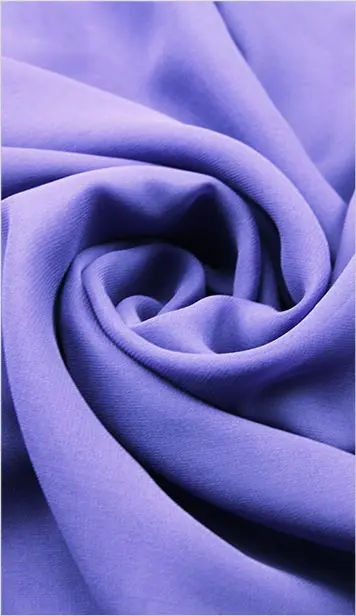
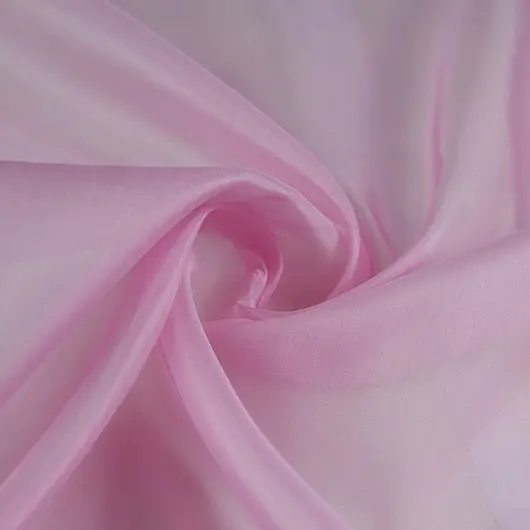
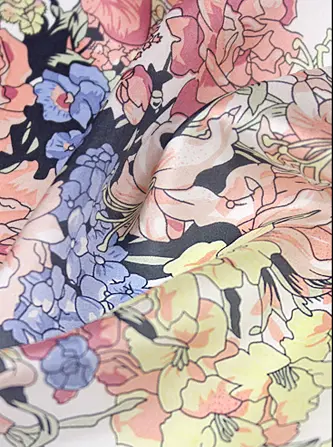
A wedding dress is rarely a single fabric. The bodice needs something that holds a shape, the skirt needs something that falls, and the veil needs something that floats — and those are three different silks. Getting the division right is most of the design decision.
This page maps the four jobs to the weaves that do them, with the momme ranges our bridal clients actually order. Everything below is 100% mulberry silk, available from one metre so you can sample before you commit to a gown's worth of cloth.
The four jobs, and the silks that do them
Every garment in this category divides into construction jobs. Matching a weave to each job is faster than choosing a fabric you like and hoping it behaves.
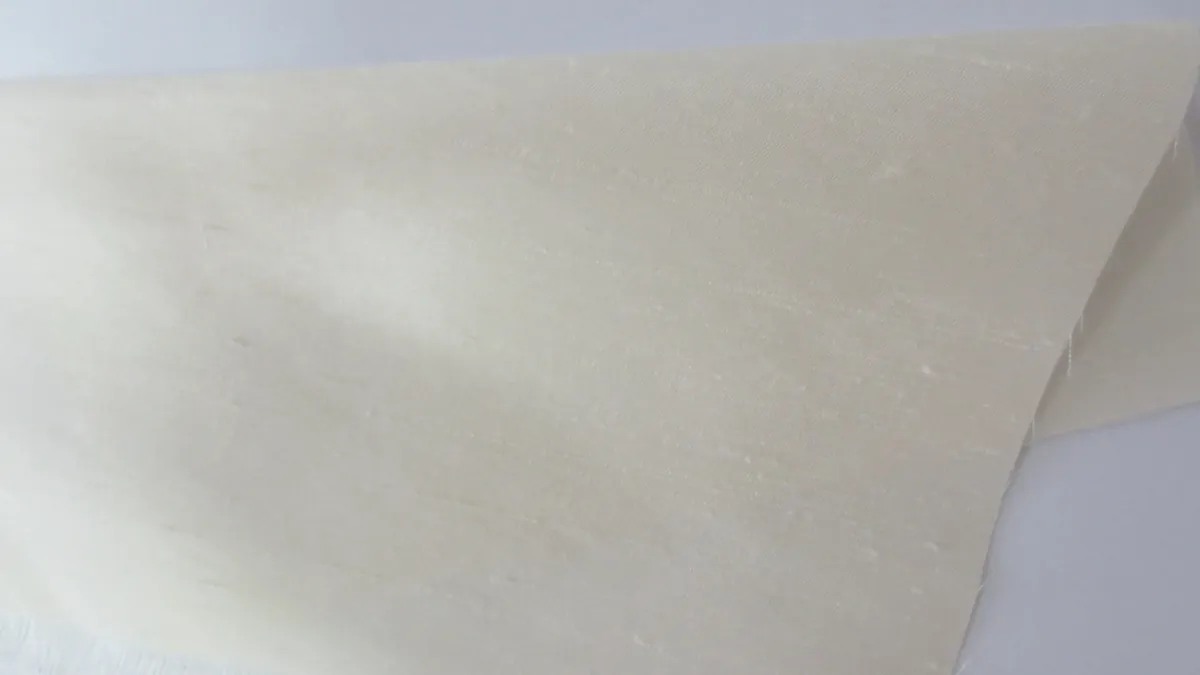
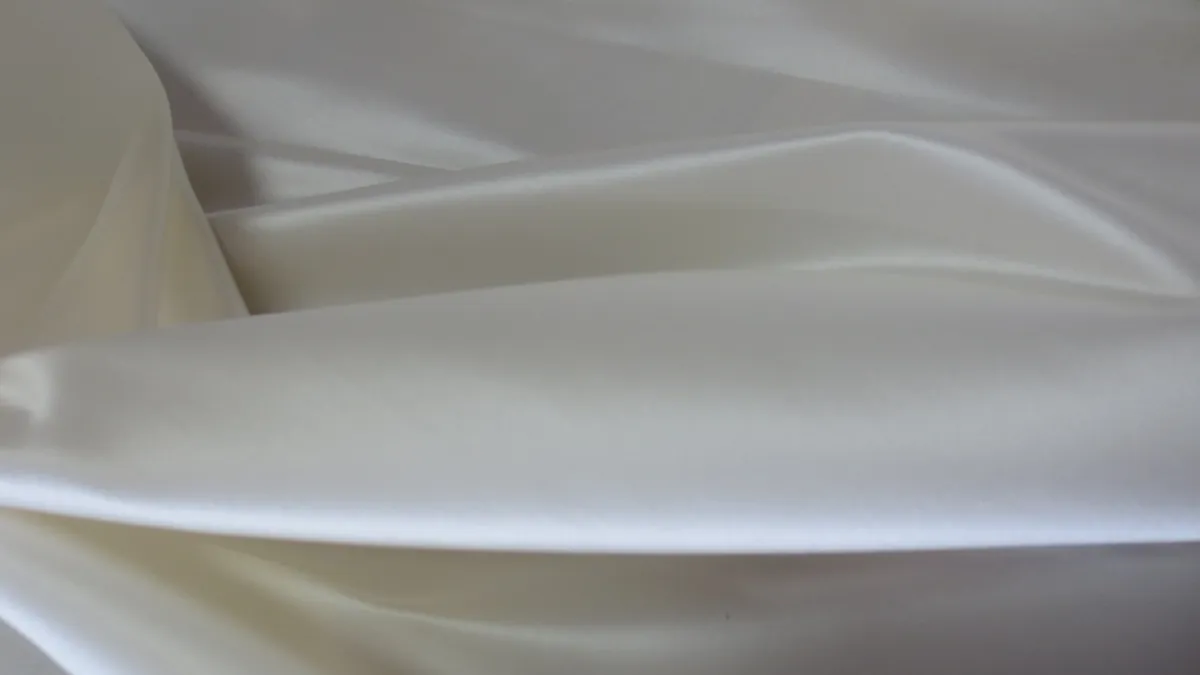
Structure — bodice, corsetry, sculpted detailDuchess satin 22–30 mm, mikado 22–30 mm, silk gazar 30 mm, dupioni 19–25 mm. These hold a folded neckline or a peplum without interfacing.
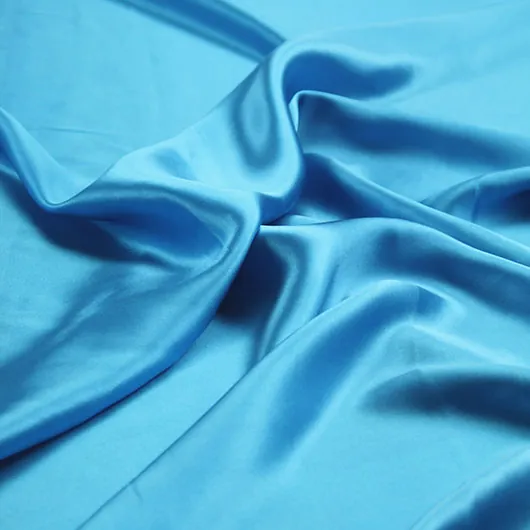
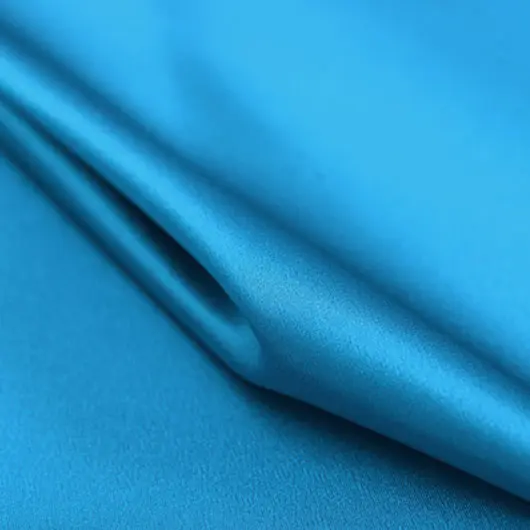
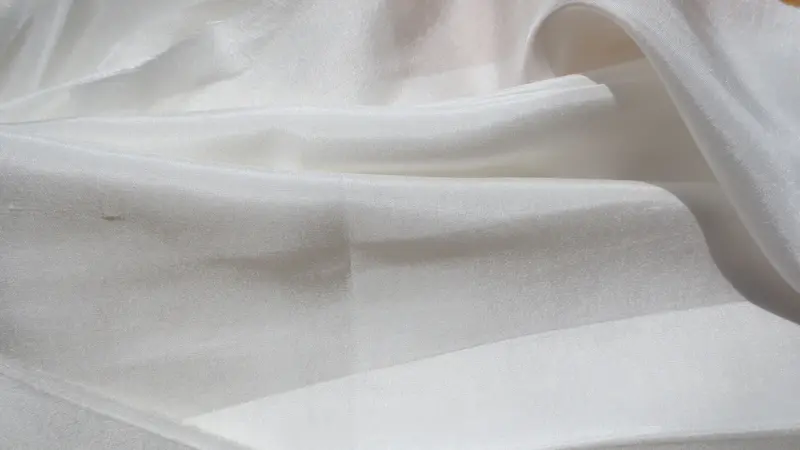
Drape — bias-cut skirt, slip gown, cowlCharmeuse 19–22 mm, crepe de chine 16–22 mm, heavy georgette 22–30 mm. Heavy enough to fall in one line, fluid enough to follow the body.
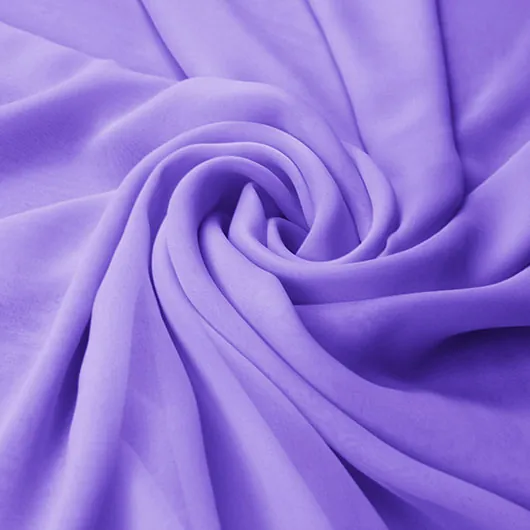
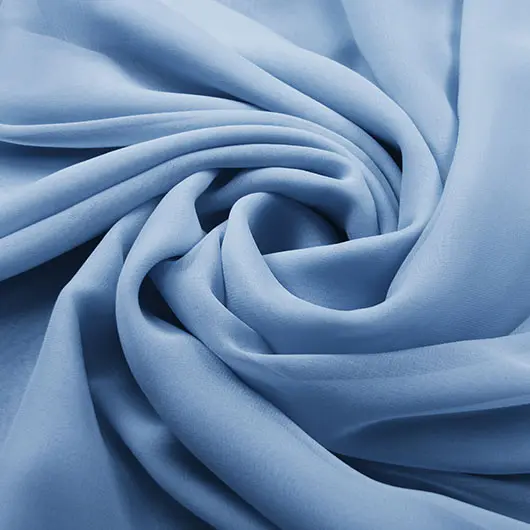
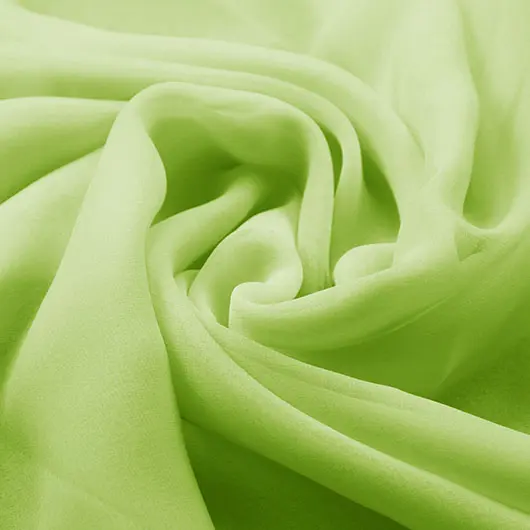
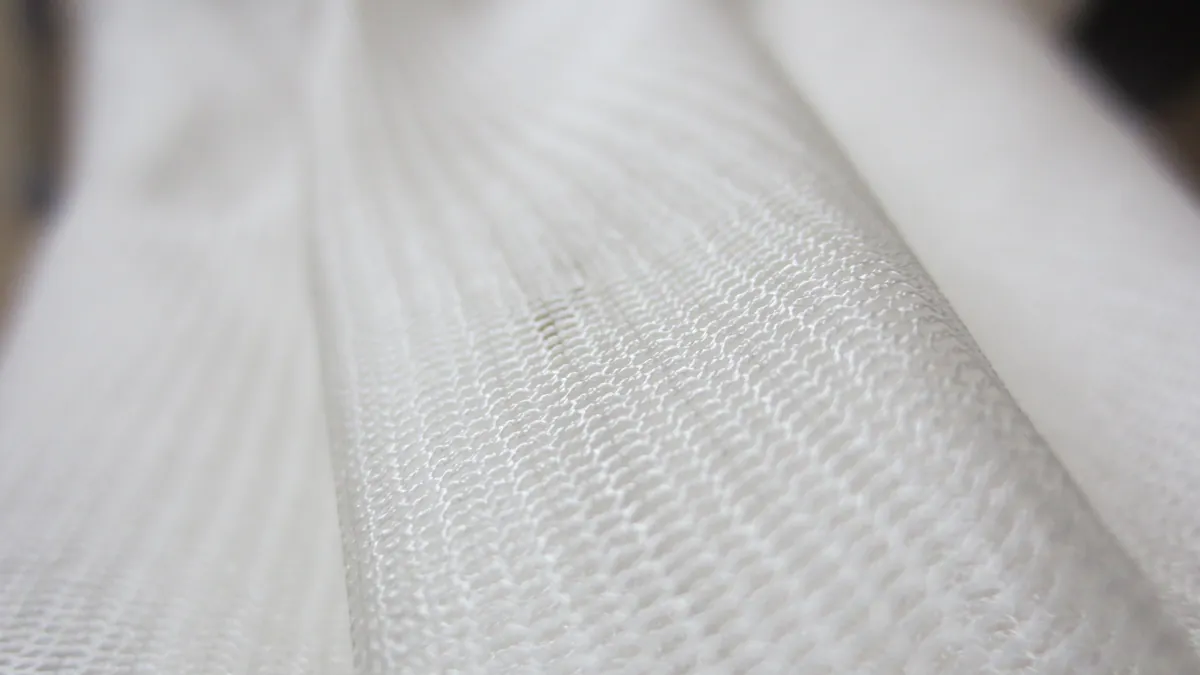
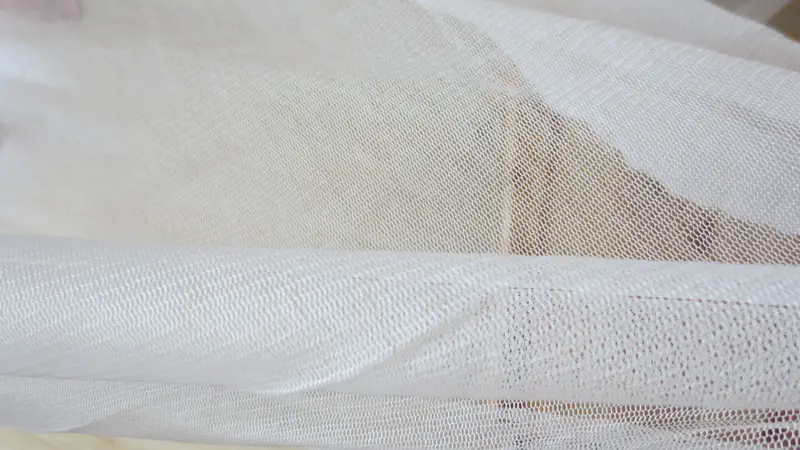
Volume — overskirt, sleeves, gathered layersOrganza 8 mm, silk tulle 4–6 mm, gauze 5 mm, chiffon 6 mm. Layered over a structured base, or used alone for a cloud effect.
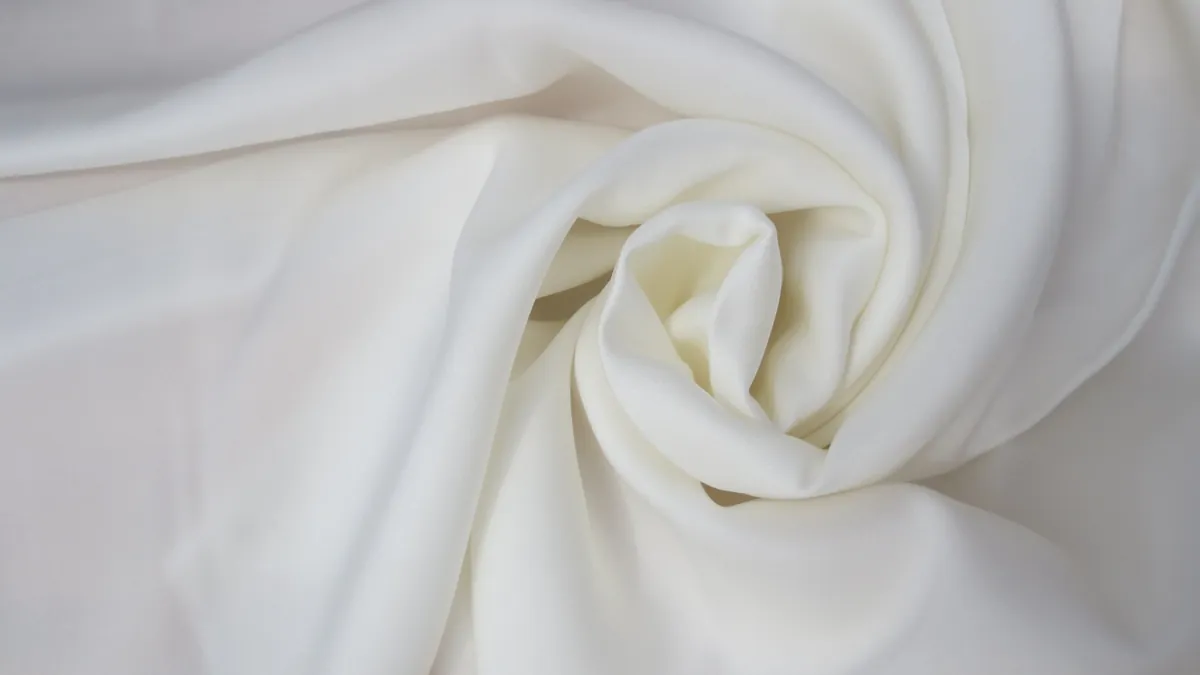
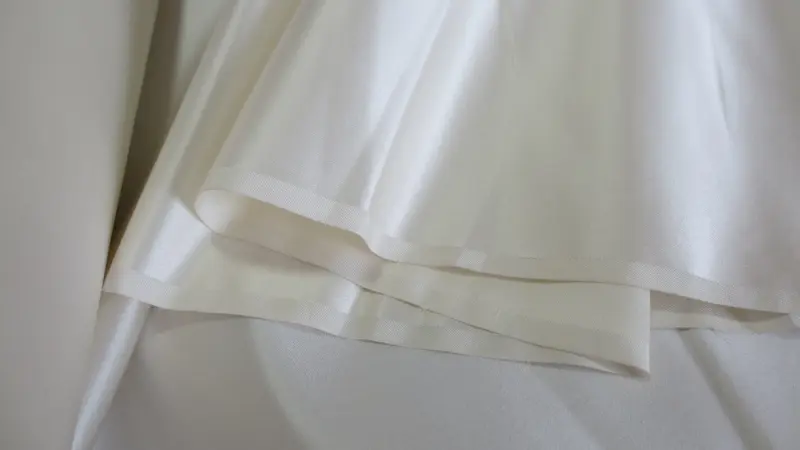
Veil and finishingSilk tulle 3–6 mm or chiffon 6 mm for the veil; organza for a crisp edge; habotai 8–12 mm for a smooth lining against the body.
What to look for when you order
- Order 2–3 metres of each candidate and make a bodice toile — photographs lie about lustre
- Match the lining momme to the shell: a 12 mm lining under 30 mm duchess will pull at the seams
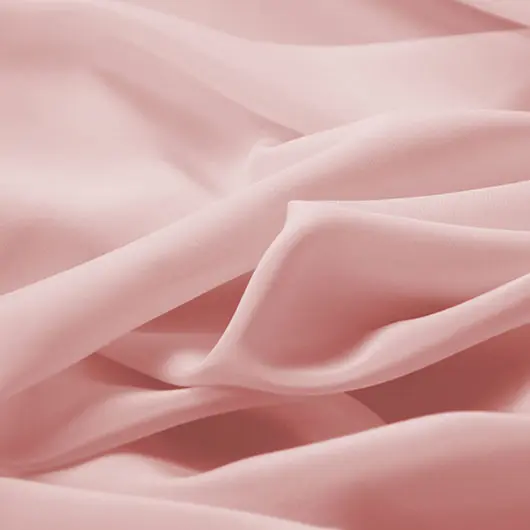
- Ivory, bone, champagne and blush are held on the stock card; exact Pantone matching takes a lab dip and 40 m
- Ask for the same dye lot across shell, lining and overlay — three lots will read as three colours in daylight
Fabrics our clients order for this
Every family above is 100% mulberry silk, available from 1 metre in stock colours, with custom dyeing from 40 metres per colour. If the weight you need is not listed, ask — most families are woven across a wider range than the stock card shows.
How much wedding dresses to order
Planning quantities, from standard block patterns. Figures are for a plain layout with no pattern repeat to match.
These are planning figures from standard block patterns, not a cutting guarantee. They assume no pattern matching and no nap. Add 10–15% for a large repeat or a one-direction print, and add your shrinkage allowance before you order. If a program is costing on metres, send us the marker and we will quote against the actual consumption.
Cutting and sewing this weight
Silk is not difficult to sew, but it punishes the wrong needle. The parameters below are the ones our clients converge on for this weight band; test on an offcut first, because a needle size that is fine for one finish will pick threads in another.
- Cut single layer. Silk shifts, and a folded lay gives you two panels that are not mirror images.
- Pin inside the seam allowance only, with fine glass-head or silk pins — a pin hole through charmeuse or a satin face is permanent.
- Use a fine, well-twisted thread. A thick thread in a fine needle leaves a visible channel and puckers the seam.
- Mark the straight grain on every panel before you lift it off the table. On a bias-cut garment the grain line is the whole design.
- French seams or hairline seams on anything sheer: a plain turned seam shows as a dark line through the cloth.
What to check before you cut
Every roll is inspected before dispatch, but cloth is a natural product and dye lots vary. These are the eight checks worth making at goods-in — they take two minutes and they are the difference between a claim and a write-off.
Every roll we ship is inspected before it leaves, and any piece with a defect is cut short and the metrage credited rather than passed on. Even so, check the cloth before it goes under the knife: once a piece is cut it is accepted. Report anything within seven days of delivery with the roll number.
Frequently asked questions
What is the best silk for a wedding dress?
Duchess satin or mikado for a structured gown, charmeuse for a bias-cut or slip gown, organza and silk tulle for volume and veils. Most gowns use two or three of them together rather than one cloth throughout.
How many metres of silk do I need for a wedding dress?
A simple bias slip gown takes 4–6 m at 140 cm; a full-skirted ball gown with an overskirt typically takes 10–15 m including lining and overlay. Add 15% for matching and cutting loss on directional or slubbed cloth.
What momme silk is used for wedding dresses?
22–30 mm for structured bodices and skirts, 19–22 mm for bias drape, 6–8 mm for overlays and 3–6 mm for veils. Anything under 12 mm needs a lining or a structured base.
Can you supply the same dye lot for a full gown?
Yes, if the shell, lining and overlay are ordered together. Confirm the combined quantity at quotation — dye lots cannot be matched retroactively, and a second order will be a different lot.
How much silk do I need?
It depends on the pattern, the width and whether the design is cut on the bias. The planning table on this page gives working figures for the usual garments at both 114 cm and 140 cm; add 10–15% for a large print repeat and add your shrinkage allowance on top. For a production run, send us the marker and we will quote against real consumption rather than an estimate.
Does this application need a lining?
Usually it is a question of opacity and friction rather than comfort. Below roughly 16 mm most silks are translucent in pale colours and need a lining or an underlayer; above 19 mm a dress silk is generally opaque enough to stand alone. Where the garment has to slide over another layer — a jacket over a blouse, a skirt over hosiery — a lining is about friction, not modesty, and a habotai lining is the standard answer.
Which weight should I choose if I am not sure?
Order one metre of two adjacent weights and hang them. Weight is the single variable that changes how a silk behaves, and it cannot be judged from a photograph or a spec sheet. Tell us the garment and we will send the two weights we would put in front of a client for that application.
Can you print or dye the fabric for this application?
Yes. Custom dyeing starts at 40 metres per colour with a lab dip approved before bulk, and digital printing starts at 40 metres per design after a strike-off. Send the artwork and the base fabric you have in mind and we will confirm what the print can hold before you commit to a quantity.
How do I stop the fabric slipping while I cut it?
Cut single layer on a surface with some grip — a flannel-backed table cover or tissue paper under the cloth both work. Pin inside the seam allowance only, use fine silk pins, and consider a rotary cutter and weights instead of shears on slippery weights. On very light silks, cutting between two layers of tissue paper keeps the cloth from moving under the blade.
What is the minimum order, and how fast can you dispatch?
Stock colours are available from one metre, which is enough to sample a weight and a colour properly. Custom dyeing and printing start at 40 metres per colour or design. Stock dispatch is a matter of a few working days; dyed and printed runs are quoted with a confirmed date once the lab dip or strike-off is approved.